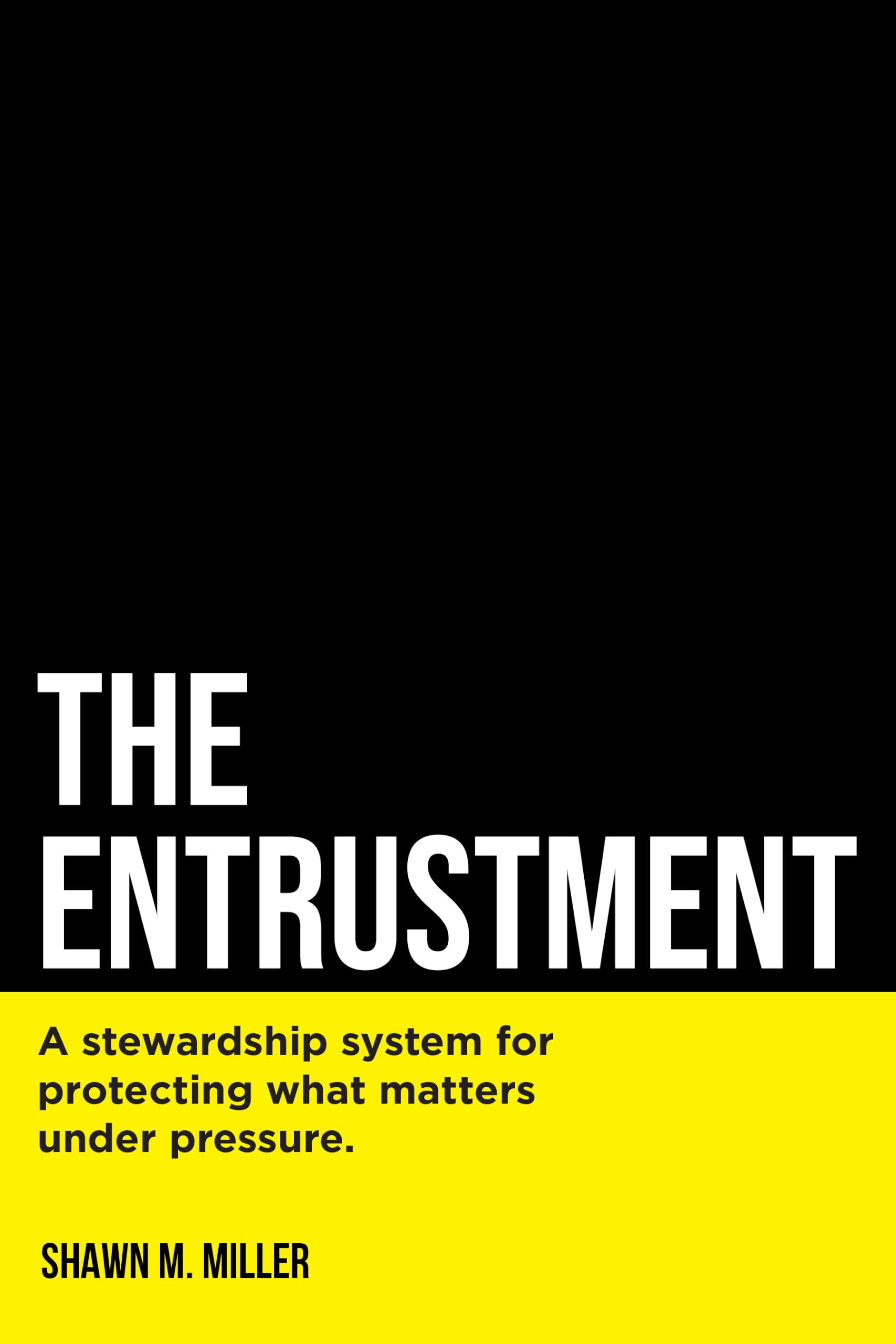
THE ENTRUSTMENT: A Stewardship System for Protecting What Matters Under Pressure
What do you owe the people who trusted you with what they built? Shawn M. Miller came to that question through the work itself: building PKGD, developing markets for agave spirits, and spending time with the Mexican families whose labor and judgment make those spirits possible.At one point, Miller thought he knew where the company was headed. A clock counted down to a possible sale. He worked every waking minute, carried too much, and imagined that selling would bring relief. Then the business improved, his sons-in-law joined the company, and the question changed. Nobody wanted to sell. They wanted to keep building. What did that mean for the people, relationships, and producer-owned brands now in their care?
That change sits at the center of The Entrustment. Miller asks what success is for, and what a company can lose as it grows. A company can grow while drifting away from the people who make its products, the consequences of its decisions, and the truth behind its story. From inside PKGD’s work with agave producers, he shows how that distance grows, how pressure exposes it, and how leaders can bring judgment back into contact with reality.
The book is built from moments that stayed with him: a lesson from his early sales years at Caterpillar about the behavior an incentive really rewards; a growing portfolio that made him see each bottle as a commitment to a producer; and time in Mexico that turned business relationships into something more than transactions. These experiences changed how Miller sees authority, trust, growth, and responsibility.
Each chapter follows a question that leaders eventually face. What does distance hide? What does pressure reveal? Who has the authority to decide, and who lives with the consequences? What happens when growth makes a company more complex than its founders can oversee? How do incentives shape behavior, even when nobody intends the result? Why do people become advocates through relationships, not simply by learning more facts?
Miller’s answers are practical and sometimes uncomfortable. Authority is responsibility joined to consequence. Trust builds when words, actions, incentives, and outcomes align. Proximity helps leaders see what reports and presentations can miss. Stewardship means protecting what matters without turning the steward into the thing that holds everything together. It is not martyrdom; the steward must remain capable of stewarding.
Nine chapters—The Clock, The Distance, The Pressure, The Trust, The Scale, The Authority, The Incentives, The Proximity, and The Decisions—offer a way to think through an organization's life, from early growth to the moment responsibility passes to someone else. The book ends with questions readers can use in their own work: What are we protecting? Who decides? What behavior are we rewarding? Who carries the consequences? What will people inherit from the way we lead today?
Miller’s point is not that growth should stop. It is that growth deserves better questions. Who is gaining authority as the organization expands? Are the people closest to the work still able to shape it? Does the story being told match what's happening on the ground? When the founder is no longer in the room, will the next generation know what to protect and why?
For Miller, stewardship is a daily practice: stay close to the work, understand what people have entrusted to you, and make decisions with their consequences in view. A company should be able to thrive beyond one person’s instincts. The people who helped build it should have a hand in what comes next.
As a company gets bigger, the founder cannot be everywhere. The questions become practical: who can make the call, sees the consequences first, and whether people closest to the work will speak up. The answers shape what the next generation receives today.
Book Page By
PKGD Media